 Digital Parenting
Sharenting Without Oversharing: A Family Photo Checklist
A proud family moment can become a public record in seconds.

AI chat tools now appear in homework, search and entertainment.
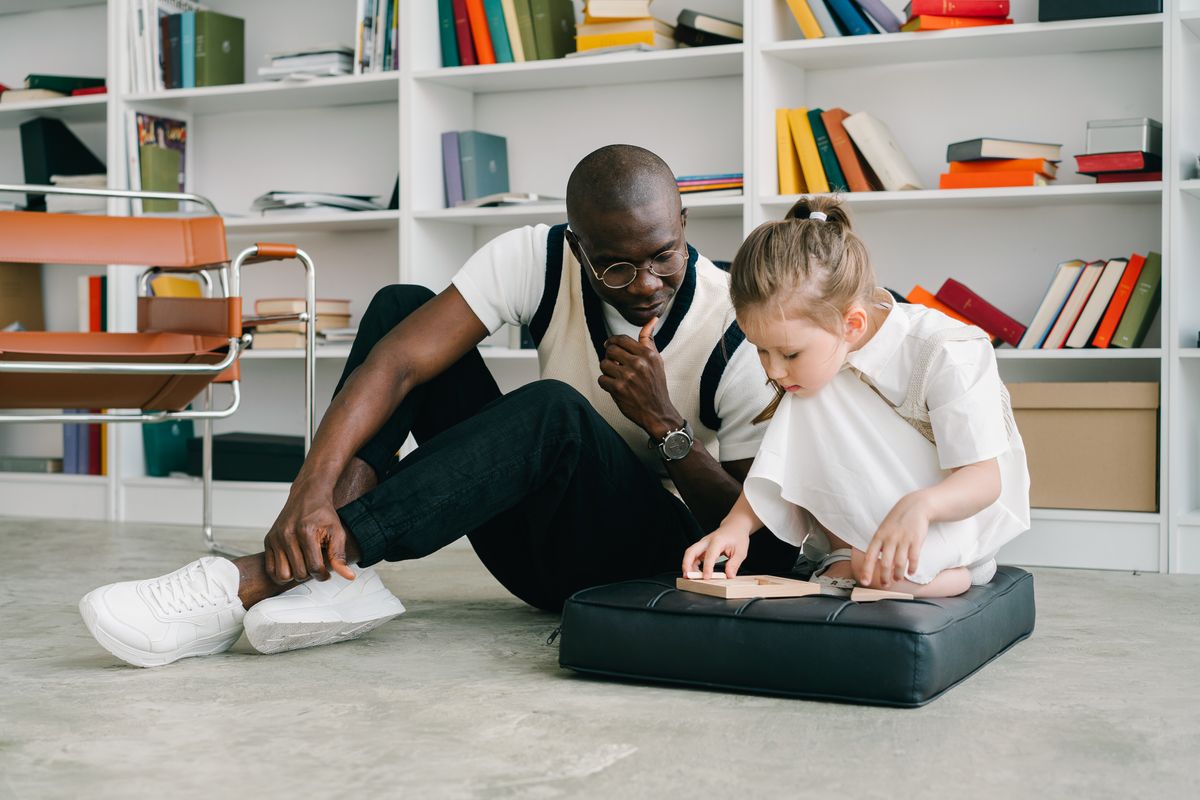
Illustrative photo · Pexels / photo source
AI chat tools now appear in homework, search and entertainment. UNICEF describes these technologies as part of children’s everyday digital environment. Families do not need to understand every technical detail to have a useful conversation about privacy, accuracy and the difference between a fluent answer and a trustworthy one.
Read the service’s current age rules and school policy together. Ask what the child wants to do: brainstorm a story, understand a term or get emotional reassurance. Different purposes need different supervision. Do not assume an app approved for one classroom task is approved for every use at home.
Use a pretend example to show what should not enter a prompt: a full name, school timetable, address, private family argument or photograph of another child. Explain that typing into an assistant is a form of sharing information. Where available, review account history and privacy controls before trying a task.
Ask a question whose answer you can verify in a textbook or official source. Compare the output with that reference and notice what is missing. Invite the child to rewrite the answer in their own words. The purpose is to learn a checking habit, not to make every homework session an interrogation.
The following is an illustrative example, not a reported case. A teenager asks a bot for help with a science project. The family uses it to suggest headings, then verifies factual claims with the textbook. Names and school details stay out of the prompt, and the final project explains what assistance was used if the teacher requires that disclosure.
A chatbot is not a substitute for a trusted adult or qualified professional when a child is frightened, threatened or struggling. If an app encourages secrecy or produces unsettling messages, stop that session and discuss the experience without blaming the child.
Sources provide background; practical examples and suggestions are our editorial guidance. Check the source for its original publication date.
Digital ParentingA proud family moment can become a public record in seconds.
 Family Wellbeing
News about war, disasters and violence can reach children through a classroom conversation or a short video before adults realise they have seen it.
 School & Learning
Digital homework portals and crowded schedules can make a normal school evening feel like a second working day.