 Family Wellbeing
When a Child Sees Frightening World News: What to Say First
News about war, disasters and violence can reach children through a classroom conversation or a short video before adults realise they have seen it.

A proud family moment can become a public record in seconds.
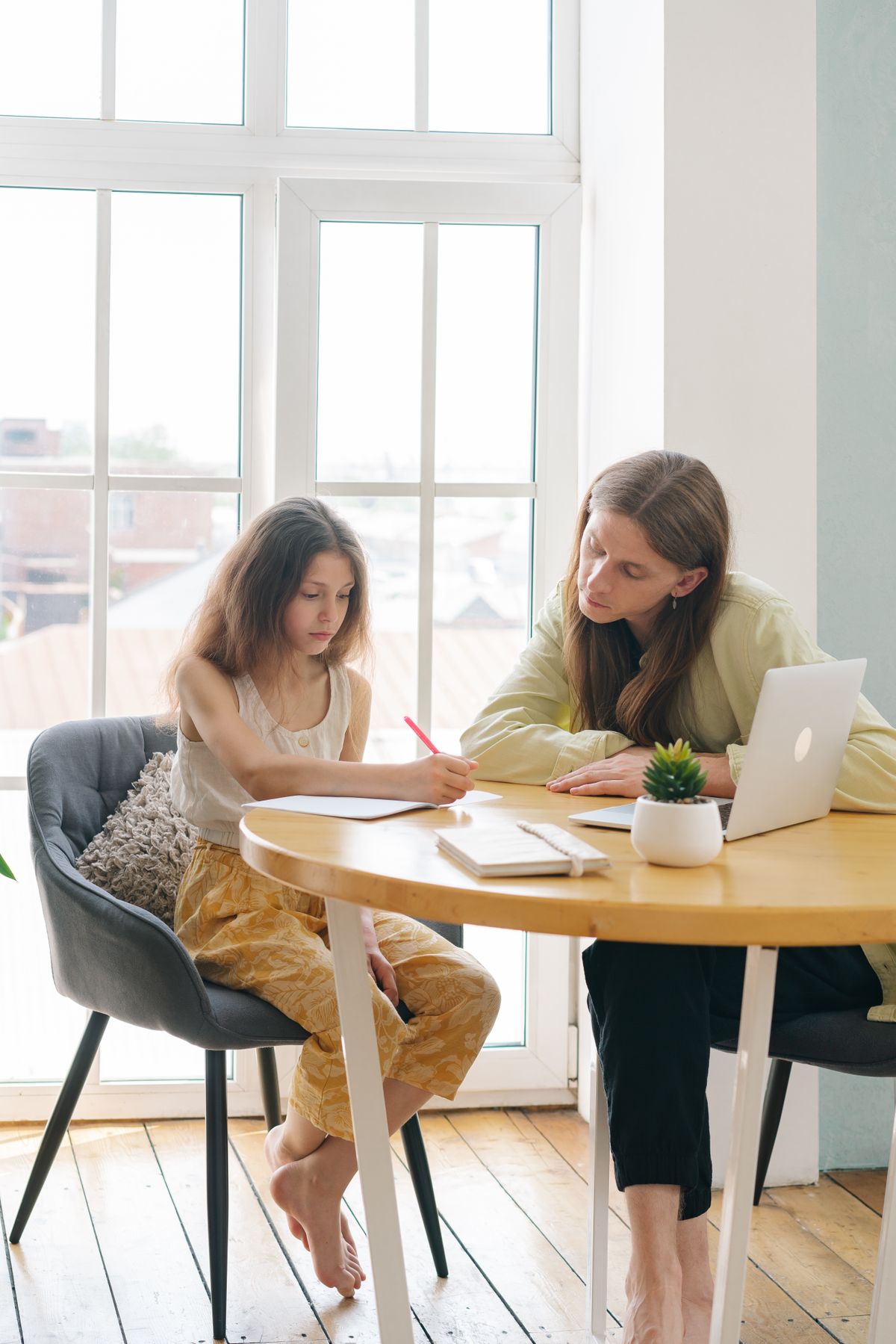
Illustrative photo · Pexels / photo source
A proud family moment can become a public record in seconds. Online privacy deserves attention before a photo leaves the camera roll, particularly when a school uniform, location tag or birthday caption reveals more than the photograph itself. You can celebrate a child while giving them a meaningful say.
Look for house numbers, school badges, boarding passes, medical paperwork and computer screens. Crop details that identify a daily route or reveal private information. Check location settings and the audience of the post. A private account still involves trusting people who may save or forward an image.
Show older children the exact photo and caption, and accept a refusal without bargaining. For younger children who cannot understand publishing, choose a conservative default. Avoid embarrassing moments, distress, bath photographs and details they may later want kept private. Permission to take a photo is not automatically permission to post it.
Send a selected picture to a small family group rather than placing a complete event album online. Ask relatives not to repost. Consider a photograph of a craft project or hands holding a birthday cake when the story does not require a recognisable face. Privacy can be a creative constraint, not a barrier to celebration.
The following is an illustrative example, not a reported case. A parent wants to share the first day of school. The child likes the picture but dislikes the visible uniform badge. They crop the badge, remove the school name from the caption and send the image only to grandparents who agree not to publish it elsewhere.
Even a careful post cannot guarantee that an image stays within its original audience. When another person has shared a picture without permission, ask for removal clearly and calmly. Use the platform’s reporting process where necessary, especially if identifying or sensitive information is involved.
Sources provide background; practical examples and suggestions are our editorial guidance. Check the source for its original publication date.
Family WellbeingNews about war, disasters and violence can reach children through a classroom conversation or a short video before adults realise they have seen it.
 School & Learning
Digital homework portals and crowded schedules can make a normal school evening feel like a second working day.
 Everyday Parenting
A child who managed a long school day may have very little patience left at home.