 School & Learning
A Homework Routine That Leaves Room for Childhood
Digital homework portals and crowded schedules can make a normal school evening feel like a second working day.

News about war, disasters and violence can reach children through a classroom conversation or a short video before adults realise they have seen it.

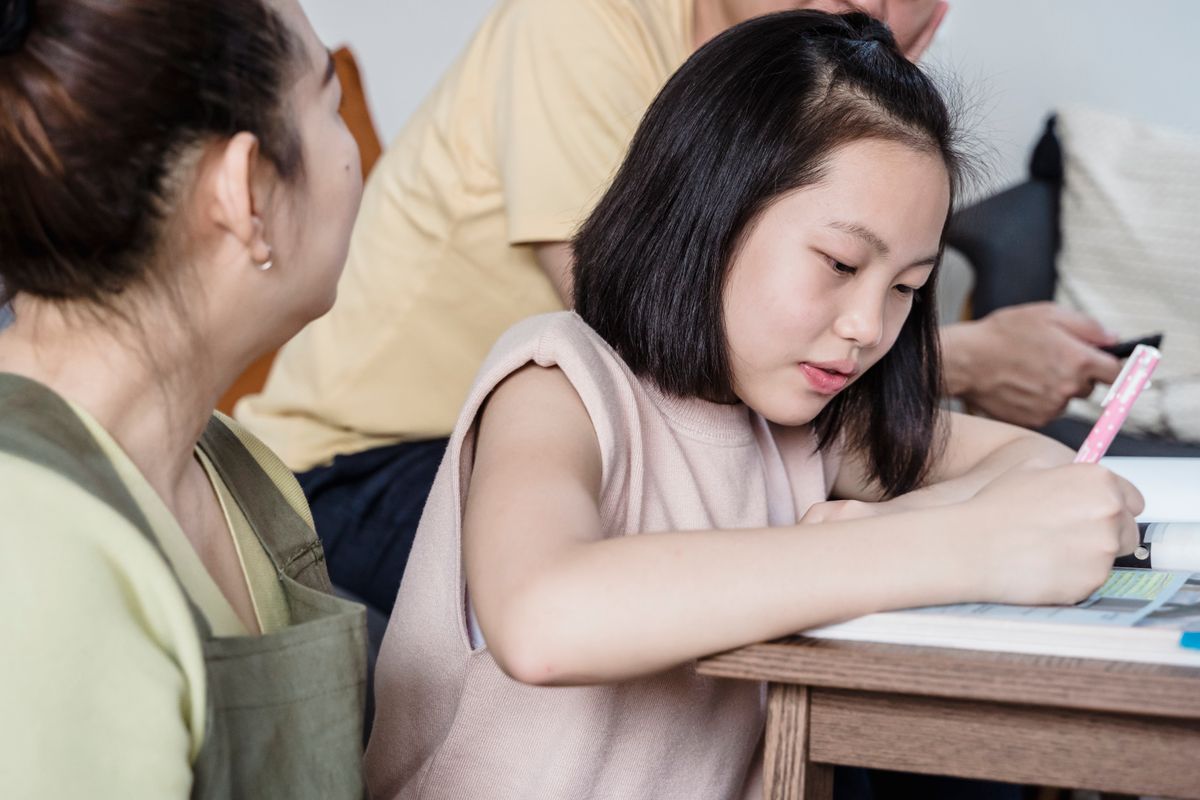
Illustrative photo · Pexels / photo source
News about war, disasters and violence can reach children through a classroom conversation or a short video before adults realise they have seen it. A useful first response begins with understanding what the child heard. Too much detail can answer questions they were never asking and increase confusion.
Choose a quiet moment and invite the child to describe the story in their own words. Ask whether they saw it, heard about it or experienced something nearby. Listen for a mistaken belief, such as assuming a faraway event is happening outside their home. Correct that specific misunderstanding with simple language.
Use a short factual explanation suited to the child’s age. It is acceptable to say that you do not know a detail and will check. Avoid promises that nothing bad can ever happen. Describe the adults and local arrangements that help keep the child safe, while allowing them to say they still feel worried.
Turn off repeated footage and choose a reliable update time for adults. Invite a familiar activity after the conversation: making a snack, reading or taking a walk. Children may return to the subject later, so leave a clear invitation to ask again rather than expecting one discussion to settle everything.
The following is an illustrative example, not a reported case. A child hears about a flood overseas and worries that their bedroom will flood that night. The parent checks the location on a map, explains the difference from their own area and talks through the local weather information. They then make dinner together instead of replaying videos.
If distress persists, affects sleep or school, or follows direct exposure to an event, seek appropriate professional support. Children who have lived through conflict or displacement may need different reassurance from those encountering a distant story for the first time.
Sources provide background; practical examples and suggestions are our editorial guidance. Check the source for its original publication date.
School & LearningDigital homework portals and crowded schedules can make a normal school evening feel like a second working day.
 Everyday Parenting
A child who managed a long school day may have very little patience left at home.
 School & Learning
A dramatic headline can move through a group chat faster than a correction.