 Family Wellbeing
Climate Conversations That Give Children Hope Without False Promises
Climate news remains part of children’s world, and UNICEF published new reporting on overlapping climate threats in June 2026.

Sibling arguments often pull an adult into deciding who started it.
Illustrative photo · Pexels / photo source
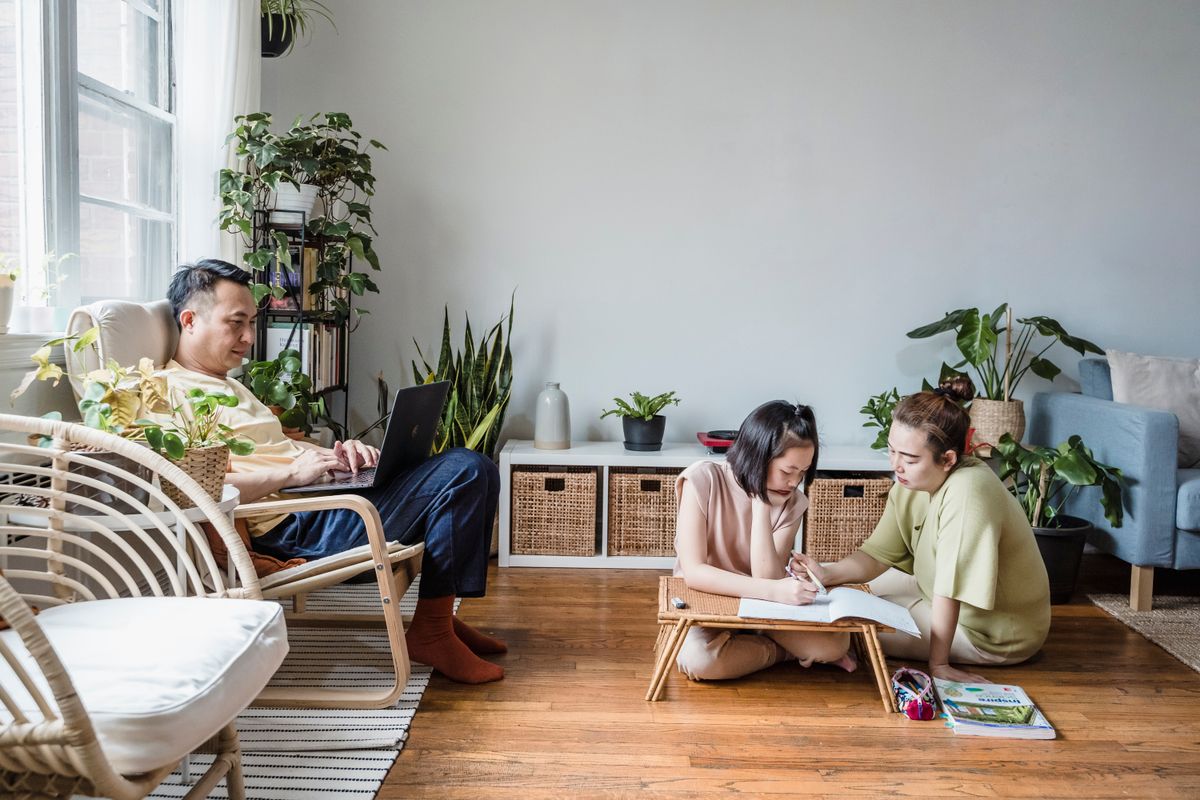
Sibling arguments often pull an adult into deciding who started it. That can leave everybody focused on winning a verdict rather than solving the immediate problem. Children need help with safety, fair turns and language for requests, while parents need a way to intervene without holding a trial.
If someone is hurt, frightened or being cornered, intervene immediately and create space. State the safety boundary without demanding a full history first. Once everyone is safe, identify the current issue: a shared toy, noise, personal space or an unfair turn. A specific problem is easier to solve than a general claim that a sibling is always terrible.
Ask what they want to happen next, using a short sentence. Translate accusations into workable requests, such as asking before borrowing or setting a turn timer. Do not require children to feel affectionate while they are angry. A practical agreement can come before warmth, especially when both need time to calm down.
Some disagreements recur because there is one popular item or nowhere to keep private belongings. Agree which possessions are shared, create separate storage where possible and plan turns in advance. Notice when the arrangement works and describe what helped. Repeating be nice gives less guidance than pointing out a successful exchange.
The following is an illustrative example, not a reported case. Two siblings fight over a drawing kit every Saturday. The parent helps them choose separate pencil containers and a shared timer for the special markers. When one wants to borrow a colour, they practise asking instead of grabbing. The solution addresses the resource that triggered the argument.
Sustained intimidation, a large power imbalance or repeated injury needs more than a turn-taking plan. Seek help when one child consistently feels unsafe. Fairness may require different support for different ages or abilities rather than identical treatment.
Sources provide background; practical examples and suggestions are our editorial guidance. Check the source for its original publication date.
Family WellbeingClimate news remains part of children’s world, and UNICEF published new reporting on overlapping climate threats in June 2026.
 Digital Parenting
A first phone changes how a child can contact people, receive messages and spend money.
 Everyday Parenting
Photo-perfect parties can make a small celebration feel insufficient.